
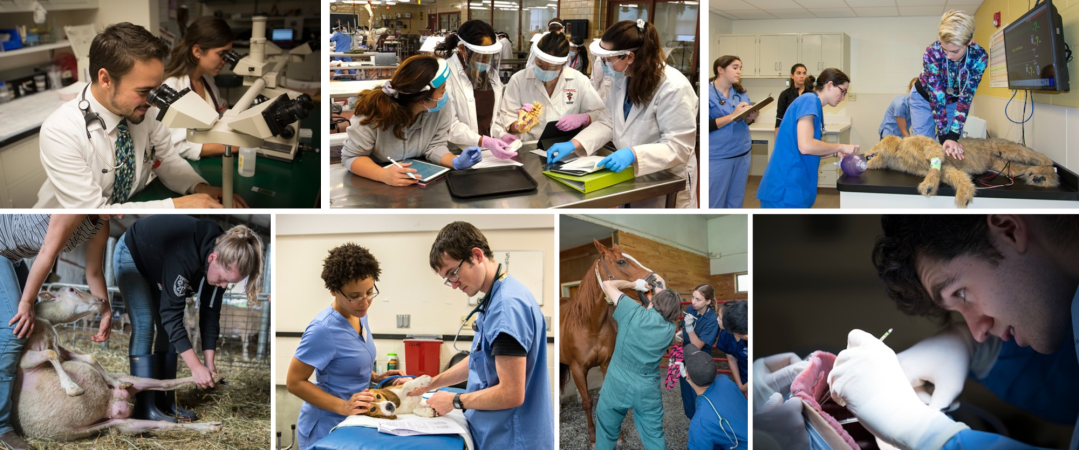
Preventive care is essential for ensuring the long-term health and well-being of your pet. By focusing on proactive measures, you can help prevent diseases, detect health issues early, and maintain a high quality of life for your furry friend. In this blog post, we’ll explore the importance of preventive care in veterinary medicine and provide insights into the various aspects of routine care that contribute to your pet’s overall health.
Why Preventive Care is Essential
1. Early Detection of Health Issues
- Description: Preventive care allows for the early detection of potential health problems before they become serious. Regular veterinary check-ups can identify signs of illness or disease in their early stages, leading to more effective treatment.
- Example: Routine blood tests and physical exams can help detect conditions such as diabetes or kidney disease early, enabling timely intervention and management.
2. Disease Prevention
- Description: Vaccinations and preventive treatments help protect your pet from various infectious diseases and parasites. By keeping up with vaccinations and preventive medications, you can significantly reduce the risk of your pet contracting preventable diseases.
- Example: Vaccinations for diseases such as rabies, distemper, and parvovirus are essential for protecting your pet and preventing the spread of these diseases.
3. Maintaining Optimal Health
- Description: Preventive care includes regular check-ups, dental care, and nutrition management, all of which contribute to your pet’s overall health and well-being. Regular monitoring ensures that your pet’s health remains in optimal condition.
- Example: Dental cleanings help prevent periodontal disease, while a balanced diet and weight management contribute to your pet’s overall health and longevity.
Key Components of Preventive Care
1. Routine Veterinary Check-Ups
- Frequency: Regular check-ups are essential for monitoring your pet’s health. Annual visits are typically recommended, but the frequency may vary based on your pet’s age, breed, and health status.
- What to Expect: During a check-up, the veterinarian will perform a thorough physical examination, assess your pet’s overall health, and recommend any necessary diagnostic tests or treatments.
2. Vaccinations
- Importance: Vaccinations protect your pet from a range of infectious diseases. Keeping up with the recommended vaccination schedule is crucial for preventing illnesses and protecting your pet’s health.
- Common Vaccinations: Core vaccines for dogs include rabies, distemper, parvovirus, and adenovirus, while cats commonly receive vaccines for feline leukemia, feline immunodeficiency virus, and calicivirus.
3. Dental Care
- Significance: Dental health is a vital aspect of overall health. Regular dental cleanings and home dental care can prevent periodontal disease, which can lead to more serious health issues.
- Tips: Brush your pet’s teeth regularly with pet-specific toothpaste and provide dental treats or toys that help reduce plaque and tartar buildup.
4. Parasite Prevention
- Types: Preventive measures for parasites include flea, tick, and worm prevention. These treatments help protect your pet from common parasites and the diseases they can transmit.
- Options: There are various preventive products available, including oral medications, topical treatments, and collars. Consult your veterinarian to determine the best options for your pet.
5. Nutrition and Weight Management
- Importance: A balanced diet and proper weight management are crucial for maintaining your pet’s health. Your veterinarian can provide guidance on appropriate feeding and portion control based on your pet’s age, breed, and activity level.
- Benefits: Proper nutrition supports healthy growth, immune function, and overall well-being, while weight management helps prevent obesity-related health issues.
Benefits of Preventive Care
1. Improved Quality of Life
- Description: Preventive care helps ensure that your pet remains healthy and comfortable throughout their life. By addressing health issues early and maintaining optimal health, you can enhance your pet’s quality of life.
- Example: Regular veterinary care and preventive measures contribute to your pet’s comfort, energy levels, and overall happiness.
2. Cost Savings
- Description: Investing in preventive care can save you money in the long run by reducing the risk of serious health issues and costly treatments. Preventive measures are generally more affordable than treating advanced diseases or conditions.
- Example: Regular vaccinations and parasite prevention are cost-effective compared to the expenses associated with treating diseases that could have been prevented.
Conclusion
Preventive care is a crucial aspect of veterinary medicine that plays a significant role in maintaining your pet’s health and well-being. By prioritizing routine check-ups, vaccinations, dental care, and parasite prevention, you can help ensure that your pet enjoys a long, healthy, and happy life. Regular veterinary visits and proactive measures are key to preventing health issues and enhancing your pet’s overall quality of life.

 Pet Guide & Tips