
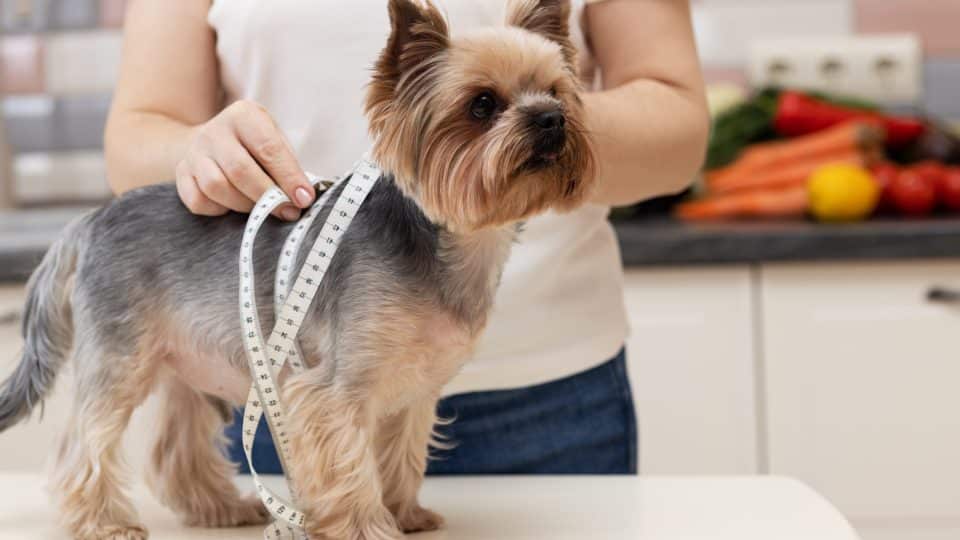
Maintaining a healthy weight is one of the most important aspects of pet health. Obesity in pets is a growing concern and can lead to a range of health problems, including diabetes, arthritis, and heart disease. As a responsible pet owner, it’s crucial to keep your furry friend at a healthy weight to ensure they lead a happy and active life. In this blog post, we’ll discuss the importance of managing your pet’s weight, how to identify signs of obesity, and practical tips for achieving and maintaining a healthy weight for your pet.
Why Weight Management Matters
Managing your pet’s weight is essential for their overall health and quality of life. Excess weight can strain your pet’s joints, increase the risk of chronic diseases, and reduce their energy levels. By maintaining a healthy weight, you can:
- Improve Mobility: Reducing excess weight decreases the load on your pet’s joints and bones, helping them move more comfortably.
- Enhance Longevity: Maintaining a healthy weight can increase your pet’s lifespan by reducing the risk of obesity-related health conditions.
- Boost Quality of Life: A healthy weight supports overall vitality, energy levels, and well-being, allowing your pet to enjoy a more active and fulfilling life.
Recognizing Signs of Obesity
Identifying obesity in pets can be challenging, especially if they have a dense coat. Here are some signs that your pet may be overweight or obese:
- Visible Fat Deposits: Excess fat may be noticeable around the abdomen, neck, and base of the tail.
- Difficulty Feeling Ribs: When you gently press on your pet’s sides, you should be able to feel their ribs. If you cannot feel them easily, your pet may be overweight.
- Reduced Energy Levels: Overweight pets may become less active and tire more quickly during play or exercise.
- Difficulty Breathing: Excess weight can cause breathing difficulties, especially during physical activity or when lying down.
Tip: Regularly assess your pet’s body condition by observing their shape and consulting with your veterinarian for a professional evaluation.
Tips for Managing Your Pet’s Weight
If your pet is overweight or obese, there are several strategies you can use to help them achieve and maintain a healthy weight:
1. Adjust Their Diet
- Portion Control: Measure your pet’s food according to the recommended serving size on the food package or as advised by your veterinarian. Avoid free-feeding (leaving food out all day) to control calorie intake.
- Choose Quality Food: Opt for high-quality pet food that provides balanced nutrition without excessive calories. Look for foods that list meat as the first ingredient and avoid those with fillers or artificial additives.
- Consider Weight Management Formulas: Some pet foods are specifically formulated for weight management and contain fewer calories while still providing essential nutrients.
Tip: Consult your veterinarian to determine the appropriate type and amount of food for your pet’s weight loss or maintenance plan.
2. Increase Physical Activity
- Daily Exercise: Incorporate regular exercise into your pet’s routine. Activities such as walking, playing fetch, or engaging in interactive toys can help burn calories and improve fitness.
- Gradual Increases: Start with shorter exercise sessions and gradually increase the duration and intensity as your pet’s fitness improves. Ensure exercise is appropriate for your pet’s age, breed, and health condition.
- Engage in Play: Playtime is a fun way to keep your pet active. Use toys that encourage movement, such as balls, frisbees, and treat-dispensing toys.
Tip: Make exercise a part of your daily routine to help your pet develop a consistent habit of physical activity.
3. Monitor and Adjust
- Regular Weigh-Ins: Schedule regular weigh-ins with your veterinarian to track your pet’s progress and make necessary adjustments to their diet and exercise plan.
- Body Condition Scoring: Use body condition scoring systems provided by your vet to assess your pet’s weight and make informed decisions about their care.
- Adjustments: Be prepared to make adjustments to your pet’s diet and exercise plan based on their progress and any changes in their health.
Tip: Keep a journal of your pet’s weight, diet, and exercise to help you monitor progress and identify any patterns or issues.
Preventing Obesity in Healthy Pets
Preventing obesity in healthy pets involves a combination of proper diet, regular exercise, and monitoring. Here are some preventive measures to keep your pet at a healthy weight:
- Establish Healthy Habits Early: Start healthy eating and exercise habits from a young age to prevent weight gain later in life.
- Avoid Overfeeding Treats: Limit the number of treats and avoid using them as a substitute for meals. Opt for low-calorie treats and use them sparingly.
- Educate Yourself: Stay informed about pet nutrition and weight management to make the best choices for your pet’s health.
Tip: Work closely with your veterinarian to develop a personalized weight management plan tailored to your pet’s needs.
Conclusion
Managing your pet’s weight is crucial for their overall health and well-being. By recognizing signs of obesity, implementing effective weight management strategies, and preventing excess weight gain, you can help your furry friend lead a healthier, happier life. Regular exercise, a balanced diet, and consistent monitoring are key to achieving and maintaining a healthy weight. Remember, your veterinarian is your best resource for guidance and support in managing your pet’s weight and ensuring their long-term health.

 Pet Guide & Tips