
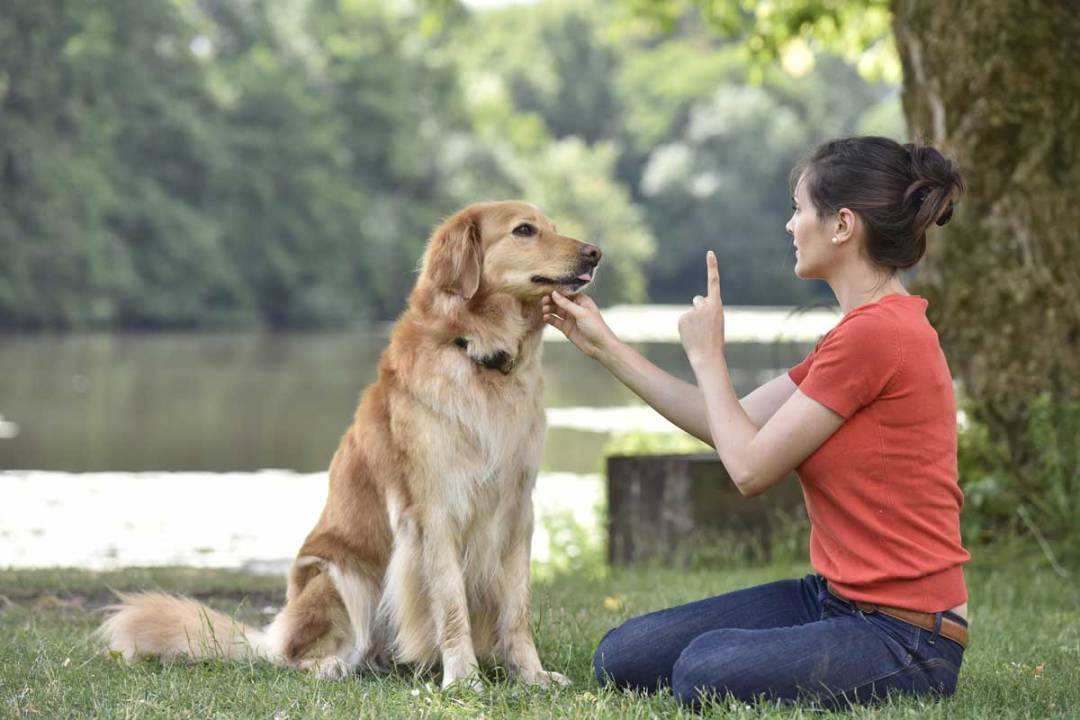
Dog training is a rewarding journey, but it often comes with its share of challenges. Whether it’s dealing with distractions, fear, or resistance, understanding and addressing these issues is essential for a successful training experience. In this blog post, we’ll explore common dog training challenges and provide practical solutions to help you and your canine companion overcome them.
Common Dog Training Challenges and Solutions
1. Distraction
Challenge: Dogs can easily become distracted by their environment, other animals, or people, making it difficult for them to focus on training tasks.
Solution: Start training in a quiet, low-distraction environment and gradually increase the level of distraction as your dog becomes more proficient. Use high-value rewards to keep your dog’s attention focused on you. Additionally, practice training exercises in different locations to help your dog generalize their skills.
2. Fear or Anxiety
Challenge: Some dogs may be fearful or anxious during training, which can hinder their ability to learn and perform desired behaviors.
Solution: Create a positive and supportive training environment. Use gentle, encouraging tones and avoid punishment or negative reinforcement. Gradually expose your dog to new situations or stimuli in a controlled manner, using treats and praise to build their confidence. If fear or anxiety persists, consider consulting a professional dog trainer or behaviorist for additional support.
3. Resistance to Training
Challenge: Dogs may resist training due to boredom, lack of motivation, or previous negative experiences.
Solution: Make training sessions enjoyable and rewarding for your dog. Use a variety of high-value treats, toys, and praise to keep your dog motivated and engaged. Ensure that training sessions are short and fun to prevent boredom. If your dog has had negative experiences with training in the past, start with simple, positive exercises to rebuild their confidence and enthusiasm.
4. Inconsistent Responses
Challenge: Inconsistency in training responses can confuse your dog and impede their progress.
Solution: Establish clear and consistent commands and rules for your dog. Ensure that everyone in your household follows the same training protocols and uses the same cues. Consistency helps your dog understand what is expected of them and reinforces desired behaviors.
5. Lack of Progress
Challenge: Sometimes, you may feel that your dog is not making the progress you anticipated, which can be frustrating.
Solution: Reevaluate your training methods and adjust your approach if needed. Break down complex behaviors into smaller, manageable steps and celebrate small successes. Be patient and persistent, as progress may take time. If you’re struggling to make progress, consider seeking guidance from a professional dog trainer for personalized advice and support.
Tips for a Successful Training Experience
1. Set Realistic Goals
Description: Set achievable and realistic training goals for your dog. Focus on one behavior or command at a time and celebrate progress along the way.
2. Use Positive Reinforcement
Description: Continue to use positive reinforcement techniques to encourage desirable behaviors. Reward your dog immediately after they perform the desired behavior to strengthen the association.
3. Monitor Your Dog’s Health
Description: Ensure that your dog is in good health and not experiencing any physical issues that may affect their ability to train. Consult your veterinarian if you notice any signs of discomfort or health concerns.
4. Be Patient and Persistent
Description: Training takes time and effort. Be patient with your dog and remain persistent in your training efforts. Consistency and dedication are key to achieving success.
When to Seek Professional Help
If you encounter persistent challenges or difficulties with training, consider seeking help from a professional dog trainer or behaviorist. A professional can provide personalized guidance, address specific behavioral issues, and help you develop an effective training plan tailored to your dog’s needs.
Conclusion
Dog training can present various challenges, but with the right strategies and a positive approach, you can overcome these obstacles and achieve success. By addressing common challenges such as distractions, fear, resistance, and inconsistency, and implementing practical solutions, you can create a successful training experience for both you and your dog. Remember to be patient, use positive reinforcement, and seek professional help if needed. With dedication and perseverance, you can build a strong and harmonious bond with your canine companion.

 Pet Guide & Tips