
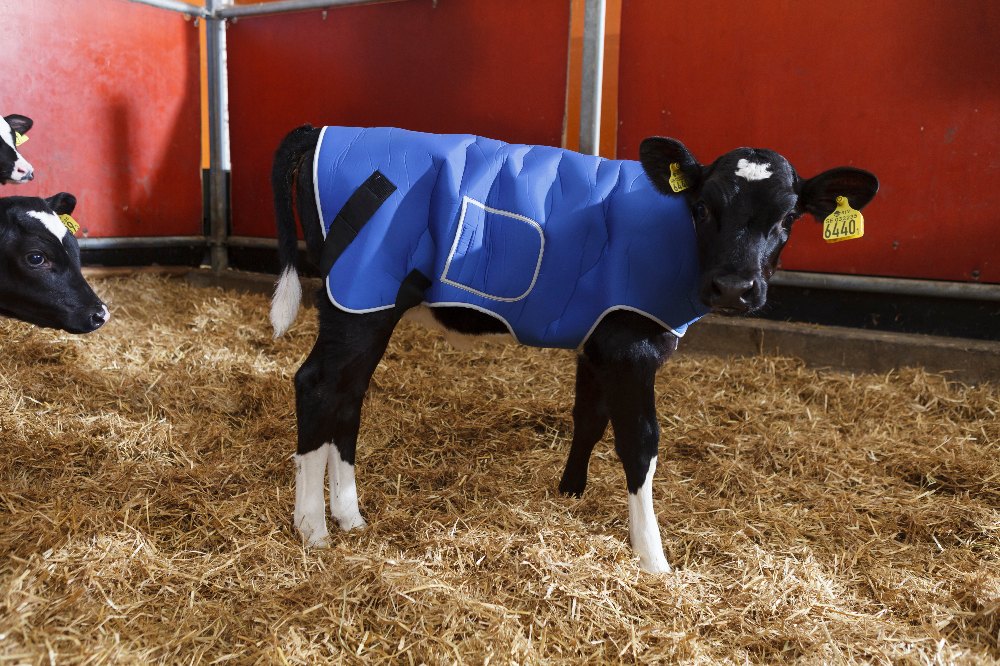
Protecting young animals from the elements is essential for their growth, health, and survival—especially in the early stages of life. One of the most effective ways to do this is by using animal coats. But when is the best time to start using coats on young animals? The answer depends on several factors, including the species, environmental conditions, and the animal’s age and health.
Note: While many animal coats are commonly known as a calf jacket the same coat type can actually be used on various animals as their anatomy and proportions are very similar.
Why Use Coats on Young Animals?
Newborn and young animals—such as calves, lambs, kids (young goats), foals, and crias (baby alpacas)—are highly vulnerable to cold stress. They have less body fat, immature thermoregulation systems, and often experience dips in energy when exposed to the cold or wet conditions.
Animal coats serve multiple purposes:
- Regulate body temperature
- Shield from wind, rain, and snow
- Boost energy conservation
- Prevent hypothermia and illness
- Support growth and weight gain
Ideal Timing: The First 24–48 Hours
For many species, the first 24 to 48 hours after birth is the most critical period. During this time:
- The newborn is adjusting to life outside the womb.
- Thermoregulation is still developing.
- Exposure to cold can have a lasting impact on immunity and development.
Start using coats immediately if:
- The temperature drops below 50°F (10°C) for calves or lambs.
- The animal was born prematurely or with low birth weight.
- The weather is wet, windy, or fluctuating drastically.
Seasonal Considerations
- Winter & Early Spring: Coats are especially important during cold months. Even a light frost can negatively impact newborns.
- Rainy Seasons: Wet coats reduce insulation. Waterproof animal coats are vital in these times.
- Summer: Generally, coats are not needed unless animals are born during an unusual cold snap or at night when temperatures dip.
Signs That a Young Animal Needs a Coat
If you’re unsure whether a coat is necessary, watch for these signs:
- Shivering or hunching
- Lethargy or reluctance to nurse
- Cold ears or limbs
- Poor weight gain
If any of these appear, it’s a good time to apply a coat and consider improving bedding or shelter conditions as well.
Tips for Using Animal Coats Effectively
- Ensure proper fit: A coat that’s too tight can restrict movement, while a loose one may fall off or create hazards.
- Keep it dry: A wet coat can do more harm than good. Use waterproof options and check them daily.
- Monitor skin and coat condition: Remove coats daily to check for rub marks or irritation.
- Adjust with weather: Don’t leave coats on unnecessarily during warm days.
Final Thoughts
Starting coats early—especially within the first two days—can make a significant difference in the health and survival of young animals. Monitoring the environment and the animal’s behavior will help you decide when and how long to keep the coat on. In essence, the earlier the protection starts in cold or wet weather, the better the outcome.

 Pet Guide & Tips